Fairfield Halls curtain cleaning for event venues in Croydon
Posted on 14/07/2026
Fairfield Halls Curtain Cleaning for Event Venues in Croydon
If you run or manage an event space, you already know how quickly curtains can go from elegant backdrop to tired-looking fabric. In a venue like Fairfield Halls, where first impressions matter from the second guests walk in, curtain cleaning is not a minor detail. It affects presentation, air quality, fabric life, and the overall feel of the room. This guide to Fairfield Halls curtain cleaning for event venues in Croydon explains what professional cleaning involves, why it matters, and how to approach it without disrupting bookings, rehearsals, or show schedules. Truth be told, curtains often get overlooked until a spotlight hits the dust.
Whether you manage a theatre, conference room, wedding space, civic hall, or multipurpose venue, you will find practical advice here on scheduling, fabric care, methods, and compliance-minded best practice. We will also touch on adjacent venue-cleaning needs, from carpets to upholstery, because it usually all ties together in real life.
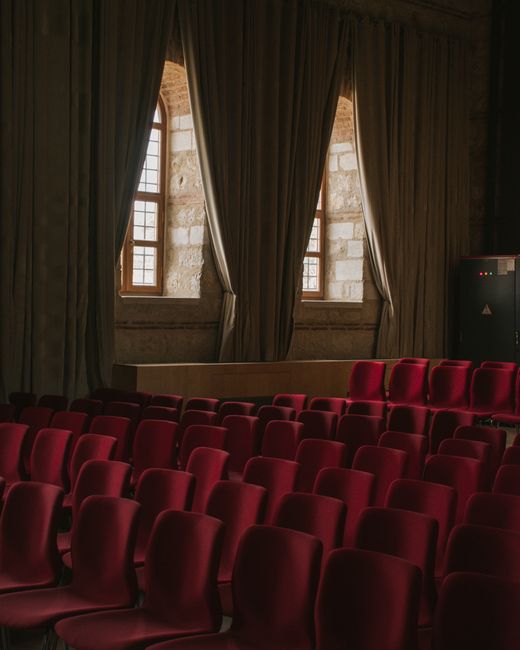
Why Fairfield Halls curtain cleaning for event venues in Croydon Matters
Curtains do more than frame a stage or soften a hall. In an event venue, they help create mood, absorb sound, control light, and make the room feel finished rather than functional. When curtains are dusty, marked, or carrying odours, the whole venue feels older and less cared for. Guests may not consciously say, "the drapes need attention," but they will notice the atmosphere is somehow off.
In Croydon, venues often host a mixed calendar: daytime meetings, evening performances, community events, private celebrations, graduations, and rehearsals. That means curtains can collect a wide range of contaminants. Dust from ventilation, fingerprints from handlers, food and drink smells, smoke residue from neighbouring activities, and plain old fabric ageing all build up over time. Add the pressure of frequent use, and regular professional cleaning becomes part of venue maintenance rather than a nice extra.
Fairfield Halls curtain cleaning is especially relevant because event spaces need to look consistent. A well-cleaned curtain line helps the whole room photograph better, too. Anyone who has ever looked at venue photos afterwards knows the difference: colours look truer, folds look sharper, and the backdrop feels intentional. Small thing? Maybe. But it changes the room.
There is also the practical side. Heavy curtains can trap dust and allergens, and for staff who are setting up, striking down, or working long days in the space, cleaner textiles can simply make the environment more pleasant. That matters more than people sometimes realise.
How Fairfield Halls curtain cleaning for event venues in Croydon Works
Professional curtain cleaning in event venues is usually a planned process rather than a quick wipe-down. The best approach depends on the fabric, lining, hanging system, stain type, and venue schedule. In many cases, cleaners begin with an inspection: checking fabric composition, identifying delicate trims, noting any fading, and looking for high-traffic marks near entrances, stage wings, or pull cords.
From there, a suitable method is selected. Some curtains can be cleaned in place using low-moisture or controlled extraction techniques. Others may need to be carefully taken down and treated off-site or in a protected area. The goal is always the same: remove soil safely while keeping the fabric, pleats, and finish intact. A rushed clean can leave water marks, shrinkage, or limp folds, and that is exactly what you do not want before a full house.
For venue operators, the process should also fit around event logistics. That means cleaning might be scheduled during a dark period, between productions, or after a programme has wrapped. A good contractor will think about access, ladders, stage equipment, floor protection, and drying time. Because, let's face it, nobody wants damp drapes and a show call in the same sentence.
Depending on the material, cleaners may use a combination of vacuuming with upholstery attachments, spot treatment, steam or low-moisture cleaning, and controlled drying. Delicate fabrics such as velvet, silk blends, or lined theatre curtains require particular care. If you are interested in fabric-specific advice, the article on maintaining velvet curtains at home is useful background reading, even if venue-scale work is a different beast entirely.
Key Benefits and Practical Advantages
Professional curtain cleaning in an event venue is about more than appearance, although appearance is a big one. Here are the practical advantages that usually matter most.
- Better presentation: Clean curtains give the room a cared-for, premium look.
- Improved guest experience: Fresh textiles help the venue feel cleaner overall.
- Longer fabric life: Regular care reduces embedded grime that can wear fibres down.
- Odour control: Fabrics can hold cooking smells, dampness, and general event residue.
- More reliable maintenance planning: Scheduled cleaning is easier than dealing with surprise stains.
- Support for branding: A polished venue reinforces the reputation of the space itself.
One overlooked benefit is consistency. Venues often clean carpets, floors, and seating because those surfaces are visible and obviously dirty when neglected. Curtains are less obvious until they are not. Once cleaned, though, they help balance the whole room. It is a subtle lift, but a real one.
If your venue also has upholstered seating, lobby furniture, or performance-area soft furnishings, it can make sense to coordinate the cleaning cycle. You might find it useful to review upholstery cleaning in Croydon alongside curtain maintenance, especially where public-facing soft furnishings all age at a similar pace.
Who This Is For and When It Makes Sense
This service is a strong fit for venue managers, facilities teams, event coordinators, theatre operators, church hall administrators, conference organisers, school event spaces, and hospitality venues that use curtains as part of their presentation. It is also relevant to landlords or building managers who oversee multi-use spaces in Croydon and need the building to stay presentable year-round.
It makes sense to book curtain cleaning when you notice any of the following:
- dust visible on folds or hems
- faint greying near lower edges
- odours after repeated events
- marks from hand contact or equipment
- uneven colour under stage lighting
- fabric looking flat rather than full
- complaints that the venue smells stale or musty
For venues that run almost continuously, a regular maintenance plan is usually better than waiting for a major reset. In quieter spaces, cleaning might be tied to the calendar: end of season, pre-wedding season, after Christmas events, or during summer closures when access is easier. There is no single right answer. The right timing is the one that keeps operations smooth.
Curious how venue type influences cleaning priorities in Croydon? A broader local context can be useful, and the article on Croydon's best party locations gives a good sense of how different spaces serve different event styles. Not every room needs the same level of finish, but all of them need to feel cared for.
Step-by-Step Guidance
If you are planning Fairfield Halls curtain cleaning for event venues in Croydon, here is a sensible workflow that keeps things controlled and avoids unnecessary surprises.
- Inspect the curtains properly. Check the fabric type, lining, fixing method, and current condition. Note stains, fading, tears, and any loose seams.
- Identify the cleaning method. Decide whether the curtains can be cleaned in situ or need removal. Heavy stage drapes and delicate decorative curtains may need different approaches.
- Plan around the venue diary. Build the work around rehearsals, performances, conferences, or private hires. Drying time matters, so do not leave it vague.
- Protect surrounding areas. Floors, stages, skirting, and nearby furniture should be shielded before work begins.
- Vacuum and pre-treat. Dust removal and spot treatment usually come before any deeper clean.
- Carry out the clean carefully. Use the least aggressive method that still gets the job done well.
- Allow proper drying and re-hanging. Curtains should be fully dry before the venue resumes heavy use.
- Check the finish. Look for staining, water marks, scent, or fabric distortion before signing off.
A practical note: keep a simple fabric register for the venue. Nothing elaborate. Just a record of material, cleaning dates, methods used, and any issues noticed. It saves time later and makes handovers much easier when staff change. Slightly boring, yes. Very useful, also yes.
Expert Tips for Better Results
If you want better, longer-lasting results, the details matter. These are the habits that tend to separate a tidy result from a truly good one.
- Choose the gentlest effective method. More aggressive is not always better. In fact, it often is not.
- Test small, hidden areas first. This is especially important on dyed or lined fabrics.
- Work from the top down. It helps avoid streaking and re-soiling.
- Keep ventilation in mind. Good airflow shortens drying time and reduces lingering moisture.
- Match cleaning to event timing. Freshly cleaned curtains should not be the last job on a tight turnaround unless drying is fully under control.
- Think about the whole room. If curtains are cleaned but carpets and seating are left tired, the room can still feel off.
One more thing. If the curtains are in a room with strong daylight, stage lights, or close window exposure, fading can be uneven. Cleaning will not reverse that, of course, but careful maintenance helps the colour fade more evenly and keeps the fabric from looking patchy. That alone can make a venue feel more polished.
If your event space also has commercial office areas, back-of-house rooms, or admin spaces, it can be sensible to align maintenance schedules with broader building care. A page like office cleaning in Croydon may be useful for understanding how venue support areas are often handled alongside public rooms.
Common Mistakes to Avoid
Some curtain problems are caused by neglect. Others are caused by trying to fix things too fast. Both happen more often than people admit.
- Using the wrong method for the fabric. Velvet, blackout linings, and decorative trims do not all respond the same way.
- Cleaning too close to an event. Damp fabric and a packed schedule are a bad mix.
- Ignoring the track or hanging system. A clean curtain on a dirty track still feels neglected.
- Over-wetting the fabric. This can lead to rings, distortion, or a longer dry time than planned.
- Skipping pre-inspection. Small tears can become larger ones if cleaning is done without care.
- Assuming all stains can be removed. Some marks are permanent, especially if they have set over time. Better to be honest about that upfront.
One of the more awkward mistakes is forgetting to coordinate with other venue cleaning tasks. Curtain cleaning may stir up dust that lands on nearby surfaces. If the room needs a reset, plan it as a sequence, not a single isolated job. That simple bit of organisation saves headaches later.
Tools, Resources and Recommendations
You do not need a warehouse full of equipment to manage curtain care well, but you do need the right tools and a sensible process. For venues, the essentials usually include:
- an upholstery vacuum with soft brush attachments
- microfibre cloths for light surface work
- fabric-safe spot treatment products
- protective floor coverings for set-down areas
- step ladders or access equipment used safely and appropriately
- fabric records or maintenance logs
For broader venue care, it can help to think beyond the curtains alone. Carpets near entrances, seating areas, and aisles often carry a lot of the same soil load as the drapes. If the venue is preparing for a large event or seasonal refresh, a combined approach may be more efficient. You might also look at carpet cleaning in Croydon if the floor finishes need attention at the same time.
And if you manage a venue that hosts formal receptions or seated functions, soft furnishings can be the silent culprit behind a room feeling tired. Even clean curtains can look less impressive if the surrounding upholstery is marked or dusty. There is a nice fit, sometimes, between upholstery cleaning in Croydon and curtain maintenance. They support each other visually. Simple as that.
Law, Compliance, Standards, or Best Practice
For venue managers, compliance is less about one dramatic rule and more about showing that maintenance is planned, safe, and suitable for the building. In the UK, that usually means choosing cleaning methods that respect fabric care instructions, reducing slip and trip risks during work, and keeping access routes safe for staff and contractors. If lifting, ladders, or working at height is involved, the venue should ensure the work is carried out cautiously and by people who know what they are doing.
Fire safety is another area where best practice matters. Many event venues use curtains and drapes as part of their decor or acoustic treatment, so it is wise to keep an eye on the manufacturer's care guidance and the venue's own fire risk planning. Cleaning should not damage treatments or create new hazards. If there is uncertainty about a textile's suitability for wet cleaning, that is a moment to pause, not guess.
Documentation helps. A simple maintenance log showing when the curtains were cleaned, what method was used, and whether any damage or wear was noted can be useful for facilities management and future planning. It is not glamorous, but it is good practice. And in a busy venue, good practice is what keeps things calm.
Where a space is used by the public, hygiene and presentation also feed into duty-of-care thinking. No one expects a ballroom to look like a laboratory. But people do expect a clean, safe, well-maintained environment that feels looked after. Fair enough, really.
Options, Methods, or Comparison Table
Different curtain-cleaning methods suit different venue needs. The right choice depends on fabric, access, schedule, and how much disruption the venue can tolerate.
| Method | Best for | Advantages | Watch-outs |
|---|---|---|---|
| In-situ low-moisture cleaning | Large fixed curtains, busy venues, minimal disruption | Less downtime, often faster to schedule, avoids removal damage | May not suit every stain or fabric |
| Off-site cleaning | Delicate or heavily soiled fabrics | More controlled treatment, deeper attention to detail | Requires removal, transport, and re-hanging planning |
| Vacuum and light maintenance clean | Routine upkeep between deep cleans | Good for dust control and presentation maintenance | Not enough for embedded soil or odours |
| Spot treatment only | Isolated marks after a single incident | Targeted and efficient | Useful only when overall fabric condition is still good |
For most event venues, the practical answer is not one method forever. It is a combination. Routine dust control, occasional spot treatment, and periodic deep cleaning is usually the most realistic plan. Not very dramatic, perhaps. But it works.
Case Study or Real-World Example
Here is a realistic venue scenario. A Croydon events space with stage curtains, side drapes, and decorative foyer curtains starts to notice a dull look in photographs, especially under warm lights in the late afternoon. Staff first assume it is just the lighting. But after a few weeks, they also notice a faint stale smell when the room has been closed overnight. Nothing terrible. Just enough to make the venue feel less fresh than it should.
The team books a site assessment and schedules curtain cleaning during a quiet midweek window, leaving enough time for drying and final checks before the weekend programme. During inspection, the cleaners identify dust accumulation at the lower edges, finger marks near touch points, and some general discolouration on folds facing the room.
The curtains are cleaned using a method suited to the fabric and the venue's access needs. Nearby flooring is protected, and the room is ventilated carefully afterwards. The result is not flashy, but it is noticeable. The fabric hangs better, the colours read more clearly under stage lights, and the whole hall feels fresher the next morning. Staff also update a maintenance record so they know when the next service should be booked. That simple step saves a lot of future guessing.
If you manage a venue in Croydon and are juggling multiple cleaning priorities, it can also help to think about the wider lifecycle of the building. Some teams coordinate maintenance around event calendars, move-outs, or refurbishment plans, and the article on end of tenancy cleaning in Croydon is a useful reminder of how much cleaner handovers matter in shared-use spaces.
Practical Checklist
Use this checklist before, during, and after curtain cleaning to keep the process smooth.
- Confirm the curtain fabric, lining, and hanging system
- Check for damage, stains, and high-contact areas
- Choose a cleaning method that suits the material
- Book the work around the event schedule
- Protect floors, furniture, and nearby surfaces
- Allow enough drying time before the next use
- Inspect the finish after cleaning
- Record the date, method, and any fabric issues
- Review whether carpets or upholstery should be cleaned at the same time
- Set the next maintenance reminder before you forget about it
Expert summary: if you want curtain cleaning to actually help your venue, treat it like part of a maintenance plan, not a one-off rescue mission. That one shift in thinking changes everything. It makes scheduling easier, results more consistent, and the venue itself much easier to present with confidence.
Get a free quote today and see how much you can save.
Conclusion
Fairfield Halls curtain cleaning for event venues in Croydon is ultimately about protecting the look, feel, and longevity of an important public-facing space. Curtains frame experiences. They shape the room before the first word is spoken and remain part of the memory long after the lights go down. When they are clean, the whole venue benefits.
The best results come from planning ahead, matching the cleaning method to the fabric, and thinking about the room as a whole rather than one isolated textile. Keep a maintenance record, choose sensible timing, and work with a contractor who respects venue schedules and material care. Nothing overly fancy. Just careful, practical upkeep done properly.
If you are responsible for a Croydon venue, now is a good moment to review the fabric care schedule and decide whether your curtains are due for a deeper clean. A well-kept hall feels easier to run, easier to trust, and easier to enjoy. And that is the real point, isn't it?

From a young age, Blair has cultivated a passion for order, which has now matured into a prosperous profession as a waste removal specialist. She derives satisfaction from transforming disorderly spaces into practical ones, aiding clients in conquering the burden of clutter.


