Church Street Croydon upholstery cleaning insider tips
Posted on 01/07/2026
If your sofa is looking a bit tired, or that dining chair has picked up one too many tea spills, you are not alone. Upholstery tends to take the hits quietly: shoes on the arm, pet hair in the weave, fingerprints on the headrest, the odd mystery mark that appears after a busy weekend. This guide to Church Street Croydon upholstery cleaning insider tips is designed to help you clean smarter, protect delicate fabrics, and know when a quick home refresh is enough versus when a proper deep clean makes more sense.
Church Street in Croydon has the usual mix of homes, flats, rentals and busy family spaces, so upholstery cleaning needs to be practical, not precious. The aim here is simple: help you avoid expensive mistakes, keep fabrics looking better for longer, and make informed choices whether you are tackling a small stain yourself or booking professional support.
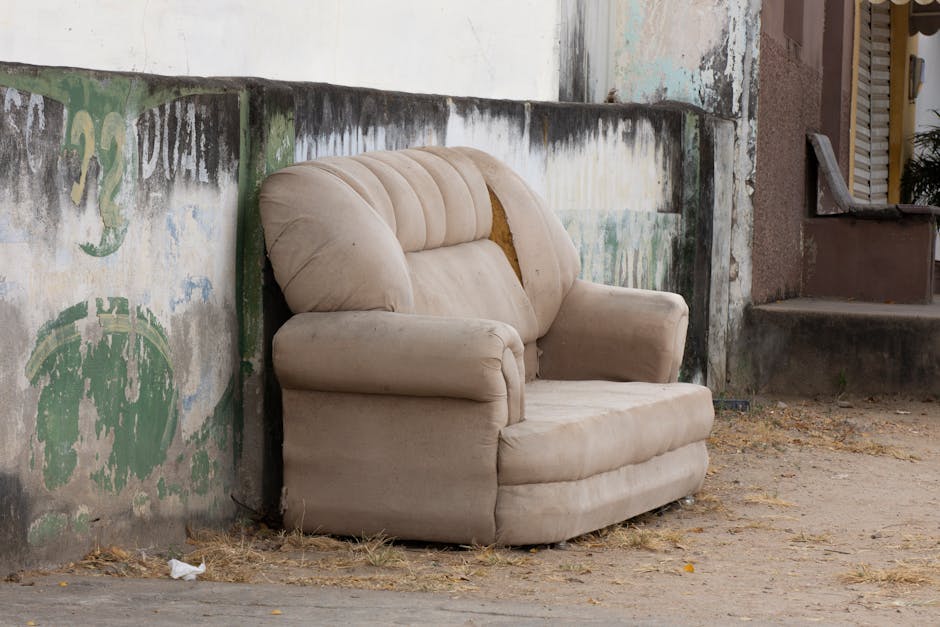
Why Church Street Croydon upholstery cleaning insider tips Matters
Upholstery is one of those things people notice only when it starts looking grubby. Then suddenly every mark feels louder than it should. A faded patch on the sofa arm, dullness on a fabric headboard, or the slightly stale smell that appears after winter with the windows shut for weeks. The problem is that upholstery is not just "soft furniture". It is a mix of fibres, filling, dye, stitching and dust-trapping texture, and all of that affects how it should be cleaned.
That is why insider tips matter. They help you make small decisions before a big problem starts. For example, a fresh spill on a plain cotton blend is a very different job from a greasy mark on velvet or a water stain on a linen chair. If you know the difference early, you can often prevent the stain from setting. If you get it wrong, the mark can spread, the fabric can go patchy, or the cushion can dry with a ring around it. Not ideal, to be fair.
In a busy area like Croydon, upholstery also has to deal with everyday life at full speed: school runs, commuting, guests, pets, takeaway nights, and plenty of "I'll clean that later" moments. Later is usually when the job gets harder. A little knowledge goes a long way.
For readers comparing broader home cleaning needs, it can help to look at related services like house cleaning in Croydon CR0 or domestic cleaning support in Croydon CR0 when upholstery care is part of a wider refresh.
How Church Street Croydon upholstery cleaning insider tips Works
Good upholstery cleaning is less about brute force and more about sequence. First you identify the fabric. Then you test the product. Then you treat the stain or clean the whole piece in the safest way for that material. That sounds obvious, but people skip straight to scrubbing more often than you would think. Usually right before they regret it.
Most upholstery cleaning methods fall into a few broad categories:
- Dry soil removal - vacuuming and brushing to remove dust, grit and pet hair before any moisture is introduced.
- Spot treatment - targeted cleaning of a spill, mark or greasy patch.
- Low-moisture cleaning - gentle cleaning with controlled dampness to avoid over-wetting the fabric or filling.
- Deep cleaning - a more thorough process for built-up dirt, odours or widespread dullness.
The "insider" part is recognising that upholstery is not cleaned the same way every time. A microfiber armchair in a family lounge needs a different approach from a velvet accent stool in a quieter room. Even the same fabric can behave differently depending on age, sunlight exposure and the type of stain. A recent spill behaves differently from a set-in mark that has been sitting there since Christmas.
In practical terms, the process usually looks like this:
- Check the care label if the furniture has one.
- Vacuum thoroughly, including seams and under cushions.
- Identify the stain type: water-based, oily, protein-based, or general soiling.
- Test any cleaner in a hidden spot first.
- Use the mildest suitable method.
- Blot, do not scrub.
- Dry the area properly and evenly.
If you need a deeper clean across several pieces, the dedicated upholstery cleaning service in Croydon CR0 is the most relevant service page to review alongside this guide.
Key Benefits and Practical Advantages
There is a very practical side to upholstery cleaning that people underestimate. Yes, the furniture looks better. But the real value is broader than that.
- Longer fabric life - dirt particles act like tiny abrasives. Remove them and the fibres wear more slowly.
- Improved appearance - fabrics regain their colour depth and texture when built-up grime is lifted.
- Less lingering odour - soft furnishings hold onto smells from cooking, pets and damp air.
- Better everyday comfort - fresh upholstery simply feels nicer to use, especially in a living room you spend real time in.
- Cleaner-looking home overall - even if the rest of the room is tidy, a dirty sofa makes the space feel older than it is.
There is also the convenience factor. If you clean upholstery properly and regularly, you are far less likely to face the all-too-familiar panic of a visible stain right before guests arrive. That moment, honestly, has a way of revealing your deepest cleaning priorities.
For householders balancing multiple tasks, upholstery care can fit alongside carpet cleaning in Croydon CR0 or even end of tenancy cleaning in Croydon CR0 when a property needs to look presentable for the next stage.
Who This Is For and When It Makes Sense
These tips are useful for anyone who lives with fabric furniture, but some people will benefit more than others.
- Families with children - because spills happen fast and often.
- Pet owners - because fur, dander and the occasional muddy paw are a fact of life.
- Renters - because visible upholstery marks can affect how a flat presents at the end of a tenancy.
- Homeowners preparing to sell - because fabric freshness makes a room feel maintained.
- Office managers - because reception seating and meeting chairs quietly collect a lot of daily wear.
- Anyone with delicate fabrics - especially velvet, chenille or textured blends that react badly to rough handling.
It makes sense to act early if the fabric has become dull, there is a faint smell after humidity, or a recent stain has not fully lifted after blotting. It also makes sense if you have a piece you are fond of. Let's face it, a good sofa can be part furniture, part emotional support.
People sometimes ask whether upholstery cleaning is worth it if the furniture is "still usable". Usually yes, if the fabric is only tired rather than damaged. If the frame is fine and the upholstery is structurally sound, cleaning can buy you more life without rushing into replacement.
Step-by-Step Guidance
Here is a careful, practical way to clean upholstery without making things worse. It is not glamorous, but it works.
1. Read the care label and inspect the fabric
Start by checking whether the manufacturer has provided any cleaning guidance. Some fabrics can handle water-based cleaning; others need solvent-based treatment or very limited moisture. If there is no label, be conservative. When in doubt, less moisture is usually safer than more.
2. Vacuum properly before you touch stains
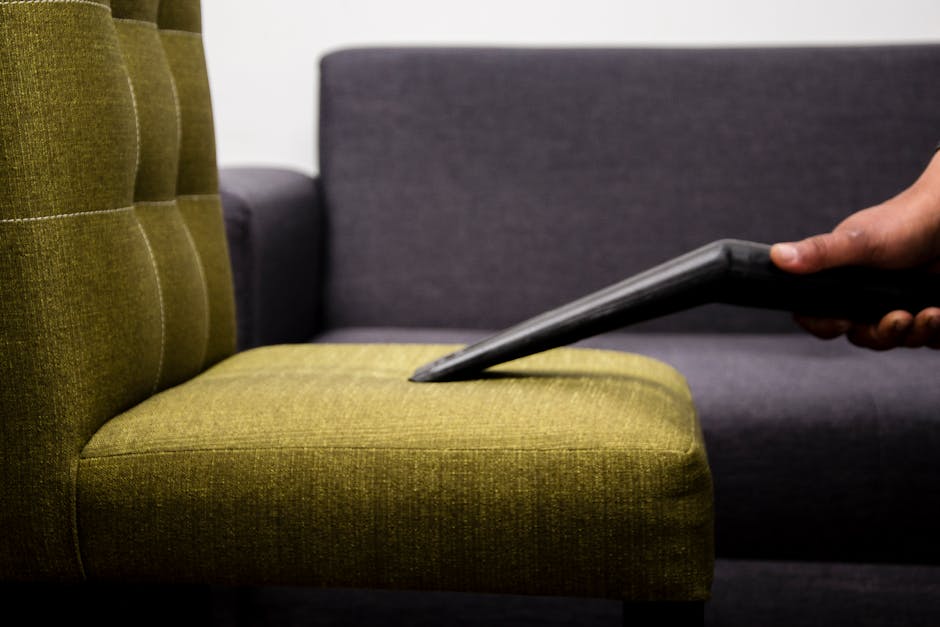
Use the upholstery attachment and work slowly. Get into seams, tufts, piping and under cushions. This step matters because loose grit can smear into the fabric when wet cleaning begins. A quick once-over is not enough. Be a bit annoying about it, honestly. That pays off.
3. Identify the stain type
Not all stains are the same. A coffee spill, a greasy food mark, pet accident residue and general body oils each need a different response. Water-based marks often respond well to mild solutions. Oily stains usually need a product that can break down grease without over-saturating the material.
4. Spot test first
Always test a cleaner in a hidden area such as the back edge, underside or a less visible seam. Watch for colour transfer, texture change or a roughened finish once dry. If the fabric reacts badly in a hidden spot, do not keep going. No heroics needed.
5. Blot, do not rub
Use a clean white cloth or towel and blot from the outside of the stain towards the centre. Rubbing pushes dirt deeper into the fibres and can distort the pile. On woven fabric, rubbing can leave an ugly patch that looks cleaner in some spots than others. That uneven look is difficult to hide later.
6. Use the minimum moisture needed
Over-wetting upholstery is one of the fastest ways to cause trouble. Water can soak into the filling and take a long time to dry, which increases the risk of odour or water marks. Controlled dampness is the goal. Not wet. Damp.
7. Dry thoroughly and evenly
Open a window if weather allows, improve airflow, and allow time for complete drying before using the furniture again. If you sit on it too soon, you can compress the fibres while they are still damp and leave marks behind. A small fan can help, provided it is not blasting directly at delicate fabric.
For households already dealing with more than upholstery, a broader reset sometimes includes office cleaning in Croydon CR0 or house cleaning in Croydon CR0 to get the whole space back on track.
Expert Tips for Better Results
This is the part where a few small habits make a big difference.
- Work from clean to dirty - start with the least soiled areas so you do not spread grime around.
- Use white cloths - coloured cloths can transfer dye, especially when damp.
- Keep cleaning solutions mild - stronger is not always better, and in upholstery, it often is worse.
- Protect the pile - fabrics like velvet respond better to gentle brushing once dry, not aggressive scrubbing.
- Lift cushions and rotate them - that helps even out wear and exposes hidden debris.
- Deal with spills immediately - the first ten minutes matter more than people realise.
A useful little trick: before treating a stain, take a photo. It sounds minor, but it helps you judge whether the mark is actually improving or whether you are just making the edges blurrier. We have all convinced ourselves a stain is "lighter now" when really it has just spread a little. Happens.
If your furniture includes fine or sensitive textiles, it can also help to read about fabric care on related pages such as care tips for velvet fabrics. The material is different, of course, but the caution around heat, moisture and pile control is very similar.

Common Mistakes to Avoid
Most upholstery damage does not come from dirt. It comes from cleaning mistakes.
- Scrubbing too hard - this can rough up fibres and leave a permanent patch.
- Using too much water - it can create water rings, odours and slow-drying problems.
- Skipping the vacuum stage - loose debris turns into muddy residue when wetted.
- Using random household products - not every spray, soap or stain remover belongs on upholstery.
- Ignoring the fabric type - velvet, linen, suede-like finishes and synthetics all behave differently.
- Drying with intense heat - a hairdryer used too closely can distort fabric or set marks.
One of the biggest mistakes is treating every stain like a general dirt mark. A greasy fingerprint on a sofa arm is not the same as a cup of tea spill, and pet-related marks should be handled carefully if odour is involved. It is a small detail, but it changes the whole outcome.
Another common issue is impatience. Truth be told, upholstery cleaning rewards calm hands and a little waiting. Not thrilling, but very effective.
Tools, Resources and Recommendations
You do not need a van full of specialist equipment to keep upholstery in decent shape. A sensible home kit can cover most day-to-day needs.
| Tool or item | What it helps with | Why it matters |
|---|---|---|
| Upholstery vacuum attachment | Dust, crumbs, pet hair | Removes loose debris before it gets embedded |
| Clean white microfibre cloths | Spot treatment and blotting | Reduces dye transfer and helps monitor stain lift |
| Soft brush | Dry brushing and pile lifting | Useful for textured fabrics and velvet finishes |
| Mild upholstery cleaner | General spot cleaning | Better control than strong all-purpose products |
| Small fan or good airflow | Drying | Helps reduce moisture retention and odour risk |
If you are comparing professional options, think in terms of fabric sensitivity, stain severity and convenience. A piece with light surface dullness might only need a careful refresh, while a heavily used sofa with multiple marks may justify a full clean. For property moves or landlord handovers, upholstery often sits alongside requesting a quote for broader cleaning work, especially if you want the job scoped properly before a deadline.
And if you are unsure where to start, you can always use the site's contact page for a direct conversation about the furniture you have in mind. Sometimes a five-minute chat saves a lot of guesswork.
Law, Compliance, Standards, or Best Practice
Upholstery cleaning is not a heavily regulated activity in the same way as some trades, but good practice still matters. In the UK, a careful cleaner should work with an eye to fabric safety, safe chemical use, and sensible handling of customer property. That means reading care labels where available, using cleaning agents as intended, and avoiding anything that could cause unnecessary damage.
From a customer perspective, the practical best practices are straightforward:
- Ask how the fabric will be tested before the full clean begins.
- Check whether any areas are likely to be left damp and how long drying may take.
- Be clear about stains that are old, unknown or possibly permanent.
- Keep fragile trims, decorative stitching and antique pieces in mind.
If a sofa or chair is particularly valuable, antique, handmade or heritage-style, it is wise to proceed cautiously and seek specialist treatment. The same goes for fabrics that may react to moisture or agitation. In real life, restraint is often the safest standard.
For rented homes, upholstery condition can also matter during check-ins and check-outs. If the furniture is part of a furnished let, keeping it presentable helps avoid awkward conversations later. Not because of paperwork drama alone, but because a clean room just feels better to walk into.
Options, Methods, or Comparison Table
Choosing the right upholstery cleaning method depends on the fabric, the stain and your tolerance for risk. Here is a simple comparison.
| Method | Best for | Pros | Watch-outs |
|---|---|---|---|
| Vacuuming and dry brushing | Routine maintenance | Fast, safe, excellent first step | Will not remove deep stains |
| Spot cleaning | Fresh spills and small marks | Targeted and efficient | Can create rings if overdone |
| Low-moisture cleaning | General refreshes | Good balance of cleaning and safety | Needs patience and proper drying |
| Deep professional cleaning | Heavy soiling, odours, complex fabrics | More thorough and controlled | Requires planning and cost consideration |
For some homes, upholstery cleaning is best treated as part of a full interior reset. That may mean pairing it with carpet cleaning in Croydon CR0 so the room feels cohesive rather than half-done. In a busy flat or family home, that joined-up approach usually makes more sense.
Case Study or Real-World Example
Here is a realistic example from the sort of job many households recognise.
A family near Church Street had a three-seater sofa with a couple of visible issues: a faint food mark on one cushion, general dullness on the arms, and pet hair embedded along the seams. Nothing dramatic, but enough to make the sofa feel older than it was. They had been wiping the mark with a damp cloth, which helped a little and then, annoyingly, made the patch look uneven.
The better approach was simple: vacuum first, lift loose debris from the seams, test a mild cleaner on a hidden section, and treat the food mark with careful blotting rather than rubbing. The dullness was reduced with a controlled clean, and the fabric was left to dry properly with the windows open for airflow. The sofa did not become "new", because that would be nonsense, but it looked fresher, cleaner and more even. The key win was that the family stopped making the problem worse.
That is really the heart of these insider tips. Most of the value comes from avoiding the wrong move at the wrong time. A small bit of care before you start can save a lot of repair work later.
Practical Checklist
Use this before cleaning any upholstered item.
- Check the care label or fabric type.
- Vacuum the full piece, including seams and under cushions.
- Identify whether the stain is fresh, oily, water-based or unknown.
- Test the cleaner on a hidden area.
- Use a white cloth and blot gently.
- Do not soak the fabric.
- Allow full drying before regular use.
- Brush or restore pile gently if the fabric needs it.
- Repeat only if the first treatment is safe and effective.
- Call in a professional if the item is delicate, heavily marked or valuable.
Quick expert summary: if you remember nothing else, remember this: identify the fabric, test first, use less moisture than you think, and dry thoroughly. That simple sequence prevents a surprising amount of damage.
Conclusion
Church Street Croydon upholstery cleaning insider tips are really about confidence. Once you know what fabric you are dealing with, how stains behave, and why patience matters, upholstery stops feeling like a fragile mystery and becomes a manageable part of home care. That is good news, because most people do not need perfection. They just need a cleaner, fresher, more comfortable room that stands up to normal life.
Keep the approach simple: vacuum well, test carefully, treat gently, and dry properly. If a piece is precious, awkward, or already badly marked, do not gamble on a random cleaner and a hopeful wipe. That is how good fabric goes sideways.
For deeper cleaning support across your home, the most useful next step may be to review the relevant service pages and decide whether your furniture needs a light refresh or a more thorough treatment. If you are planning a move, a reset, or just want the room to feel a bit more cared for, it is worth taking action before the marks settle in.
Get a free quote today and see how much you can save.
Sometimes the smartest clean is the one you handle early, before the little marks turn into a bigger job. And that, really, is the whole game.

From a young age, Blair has cultivated a passion for order, which has now matured into a prosperous profession as a waste removal specialist. She derives satisfaction from transforming disorderly spaces into practical ones, aiding clients in conquering the burden of clutter.


